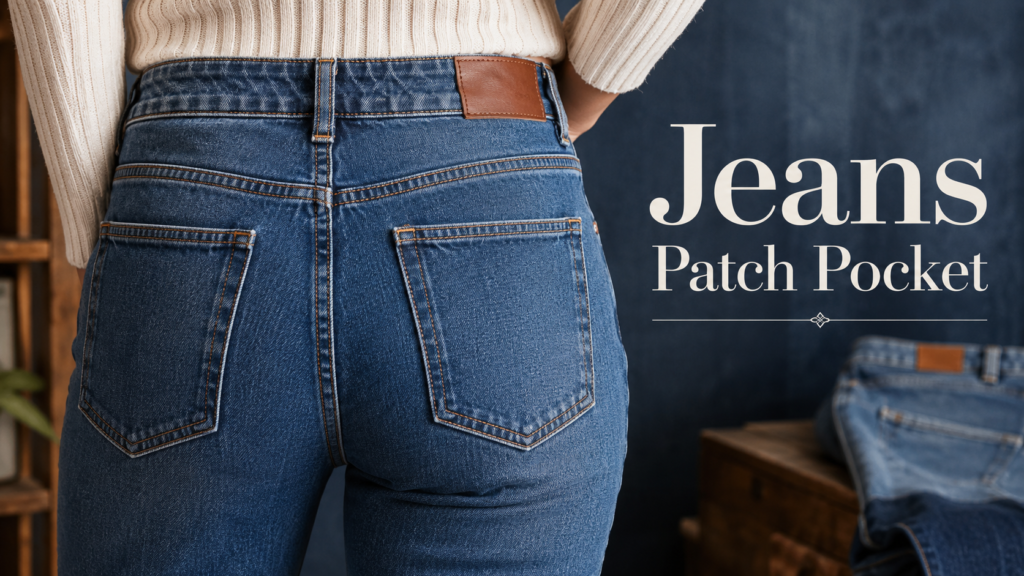

Learn how a jeans patch pocket affects fit, style, comfort, repair, and denim design with this simple guide for everyday wear.
Jeans Patch Pocket Guide: Style, Fit, Repair and Care
A Jeans Patch Pocket may look simple, but it does a lot more than hold your keys. It shapes how your jeans look from the back. It affects comfort when you sit. It can make denim feel casual, rugged, vintage, or refined. It can also tell you a lot about the quality of a pair of jeans.
Most people notice the wash, cut, or waist size first. Yet the pocket often decides whether jeans look balanced on the body. A small change in pocket size, angle, stitch, or placement can change the full look of the jeans. That is why designers spend so much time on this small square of fabric.
In this guide, you will learn what a Jeans Patch Pocket is, why it matters, how it changes fit and style, and how to repair or care for it. You will also learn how to choose the right pocket design for your body, your outfit, and your daily life.
What Is a Jeans Patch Pocket?
A Jeans Patch Pocket is a piece of fabric sewn onto the outside of denim. Most jeans have two patch pockets on the back. Some styles also use patch pockets on the front, sides, or legs, but the back pocket is the most common and most iconic.
The word “patch” simply means that the pocket sits on top of the garment. It is not hidden inside the pants like a side pocket or trouser pocket. You can see its shape, edges, stitch lines, and design. That visible style is one reason the Jeans Patch Pocket became a key part of denim fashion.
On classic five-pocket jeans, the back patch pockets sit below the yoke. The yoke is the V-shaped panel under the waistband. Together, the yoke and pockets help shape the back of the jeans. They also help create the well-known denim look that people have worn for more than a century.
A Jeans Patch Pocket usually has folded edges, topstitching, and a strong upper corner. Many jeans also use bar tacks or rivets at stress points. These details stop the pocket from tearing when you use it often..
Why Patch Pockets Became Popular on Jeans
Jeans began as workwear. Miners, farmers, ranch workers, builders, and factory workers needed pants that could handle rough use. A Jeans Patch Pocket made sense because it was easy to sew, easy to reach, and strong enough for tools, coins, notes, and small items.
A patch pocket also used less complex construction than a hidden pocket. That mattered when brands made durable pants at scale. The outside pocket could be reinforced, repaired, or replaced more easily. For workers, that was a real benefit.
Over time, jeans moved from workwear to everyday fashion. The Jeans Patch Pocket stayed because it had become part of the identity of denim. Today, even dressier jeans often keep back patch pockets because jeans without them can look incomplete.
Patch pockets also gave brands a place to show personality. Stitch patterns, pocket shapes, tabs, embroidery, and contrast thread all became design tools. A simple Jeans Patch Pocket turned into a signature feature.
The Anatomy of a Jeans Patch Pocket
A Jeans Patch Pocket may seem basic, but several parts work together. The pocket body is the main piece of denim. It may match the jeans or use a slightly different shade or texture. The top hem is folded and stitched to make the opening strong. The sides and bottom edges are folded under before sewing.
The top corners of a Jeans Patch Pocket are the most stressed areas. When you put your hand or phone in the pocket, these corners pull against the jeans. Good denim brands reinforce these points with tight stitches, bar tacks, or rivets.
Topstitching is the visible line of thread around the pocket. It can be single, double, straight, curved, or decorative. Orange or gold thread gives jeans a classic look. Tonal thread feels cleaner and more modern. White, black, or colored thread creates a bold style.
Some Jeans Patch Pocket designs have arcuate stitching. This is the curved stitch design often seen on the back pockets of jeans. Many brands use their own version of this design. It can be simple, bold, vintage, western, or minimal.
How Patch Pocket Size Affects the Look of Jeans
Pocket size changes the way jeans look on the body. Large Jeans Patch Pocket designs can make the back appear smaller because they cover more space. Small patch pockets can make the back look larger because they leave more denim visible around them.
This is not about hiding your body. It is about balance. Good pocket size should match the cut of the jeans and the scale of the wearer. Slim jeans often look best with neat, medium-sized pockets. Relaxed or loose jeans can carry larger pockets without looking odd.
Very tiny pockets can look dated or awkward. Very oversized pockets can look heavy unless the jeans have a workwear or utility style. A well-sized Jeans Patch Pocket feels natural. You may not notice it right away, but the whole pair of jeans looks better.
Real-life example helps here. Two pairs of straight-leg jeans can have the same waist and inseam, but the pair with better Jeans Patch Pocket size may look more flattering. The difference may be only half an inch, but it can change the full back view.
How Pocket Placement Changes Fit
Placement is just as important as size. A jeans patch pocket that sits too low can make the seat look droopy. A pocket that sits too high can make the rise look short or cramped. If the pockets sit too far apart, the back can look wider. If they sit too close together, the jeans may look tight or unbalanced.
Most good jeans place back pockets in line with the natural shape of the seat. The pockets should sit flat without pulling. They should not twist toward the side seams. They should also stay in a balanced spot when you walk, sit, and bend.
For curvy fits, pocket placement matters even more. Jeans made for curves often adjust the yoke, rise, and pocket angle. This helps the pocket sit in the right place without gaping or dragging.
For men’s jeans, patch pockets are often wider and slightly more square. For women’s jeans, they may be smaller, more angled, or shaped to lift the look of the seat. Modern denim, though, has blurred these lines. Many people now choose jeans based on fit and style rather than gender labels.
Patch Pocket Shape and Denim Style
Patch pockets come in many shapes. The classic shape is close to a pentagon, with a flat top, straight sides, and a slight point or angle near the bottom. This shape works well on most jeans because it feels balanced and timeless.
Rounded pockets look softer and more casual. They often appear on vintage-inspired jeans, women’s denim, and relaxed styles. Square pockets feel sturdy and workwear driven. They suit carpenter jeans, utility jeans, and chore-inspired denim.
Angled pockets can create a lifting effect. They draw the eye inward and upward. This is why many skinny jeans and high-rise jeans use slight pocket angles. Deep pockets can look practical and rugged. Shallow pockets can look sleek, but they may not hold much.
Some jeans use flap patch pockets. These pockets have a fabric flap over the opening. They often appear on western jeans, cargo jeans, and military-inspired denim. They add detail, but they also add bulk. This can be stylish, but it may not suit every outfit.
Front Patch Pockets on Jeans
Back pockets get the most attention, but front patch pockets are also important. Some jeans use front patch pockets instead of the classic curved front pocket. This gives the jeans a retro, sailor, workwear, or utility feel.
Front patch pockets are often larger and easier to use. They can hold a phone better than small front pockets. They also create a strong visual line on the front of the jeans.
High-rise wide-leg jeans often use front patch pockets because they add structure. They break up the large front panel and make the jeans look more designed. On dark denim, front patch pockets can look clean and chic. On faded denim, they can look casual and vintage.
The main concern is bulk. If the fabric is thick and the pocket is large, front patch pockets can add volume around the hips or thighs. This may be fine for relaxed outfits, but it may not work for a sleek look.
Patch Pockets and Different Jeans Fits
Different jeans cuts need different pocket choices. Skinny jeans usually need smaller, flatter pockets because the fabric sits close to the body. Bulky patch pockets can feel uncomfortable and show lines.
Straight-leg jeans are the most flexible. They work with classic back patch pockets, larger vintage pockets, or clean modern designs. This is one reason straight jeans remain popular. Their pocket design can shift the mood from casual to polished.
Bootcut jeans often use medium pockets with strong topstitching. The slight flare at the hem balances the back pocket and yoke. Western-style bootcut jeans may use decorative stitching or flap pockets.
Wide-leg jeans can handle bold patch pockets. Larger pockets match the wider leg shape. Front patch pockets also work well here because they add detail to a bigger denim panel.
Boyfriend and relaxed jeans often look good with lower, larger pockets. This supports the easy, worn-in feel. Still, the pockets should not sit so low that the jeans look saggy.
How a Jeans Patch Pocket Affects Comfort
A pocket is not just a style feature. It also affects comfort. Thick seams can press against the body when you sit. Heavy stitching can feel stiff at first. A large phone in the back pocket can change posture and cause discomfort over time.
Many people use back patch pockets for wallets, phones, receipts, or keys. This is convenient, but it can stretch the pocket. It can also create a faded outline on raw or dark denim. Some denim fans enjoy this personal wear pattern. Others prefer to keep pockets empty to protect the shape.
If you sit for long hours, avoid keeping hard items in your back pocket. This can strain the pocket and may feel bad for your lower back. A front pocket, jacket pocket, or small bag is often better for daily comfort.
Soft denim with a bit of stretch can make patch pockets feel smoother. Rigid denim may feel stiff at first, but it often softens with wear. Quality denim usually molds to your body over time.
Signs of a High-Quality Jeans Patch Pocket
A good jeans patch pocket has clean stitching, strong corners, and smooth edges. The thread should not look loose or messy. The pocket should sit flat on the jeans without puckering.
Check the top corners first. These points take the most stress. If the corners have bar tacks, tight stitching, or rivets, the pocket will likely last longer. Also check the pocket opening. A well-made pocket has a firm top hem that does not curl after washing.
Look at symmetry. The left and right pockets should match in size, height, and angle. Small differences happen in handmade or small-batch denim, but large differences can make the jeans look uneven.
Pocket fabric also matters. Some brands use the same denim as the main jeans. Others use lighter denim to reduce bulk. Both can work. The key is that the fabric should feel stable and strong.
A simple test is to place your hand inside the pocket and pull lightly. The pocket should feel secure. It should not stretch, tear, or make cracking sounds at the stitches.
Common Problems With Jeans Patch Pockets
Patch pockets face a lot of wear. The most common problem is loose stitching at the top corners. This happens when people carry heavy items or pull the pocket often.
Another common issue is pocket sag. Over time, fabric can stretch from phones, wallets, or tools. Stretch denim may sag faster than rigid denim because elastic fibers can lose recovery.
Fading is also common. The area around the pocket may fade faster because of friction. This can look great on vintage jeans, but it may bother people who want a clean dark wash.
Sometimes the pocket tears away from the jeans. This can happen after years of use or after a sharp pull. It may also happen if the original stitching was weak.
Decorative stitching can also break. This does not always affect function, but it changes the look. On branded jeans, broken pocket stitching may make the jeans feel worn out before the denim itself fails.
How to Repair a Jeans Patch Pocket
You can repair many patch pocket problems at home. If the stitch is loose, use strong thread and a sharp needle. Denim thread or heavy polyester thread works well. Match the color if you want a clean repair. Use contrast thread if you like a visible mend.
Start by trimming loose threads. Do not cut the denim. Fold the pocket edge back into its original place. Stitch over the old line if you can. For the top corners, sew a small bar tack by making several tight stitches in the same spot.
If the pocket has torn away and left a hole in the jeans, place a small denim patch behind the tear. Then sew the pocket back over it. This gives the repair more strength.
For large tears, a tailor can help. Denim repair shops often use machines that can darn holes and rebuild worn areas. This costs more than a home repair, but it can save a favorite pair of jeans.
A real-life example is a back pocket that rips from carrying a phone every day. A simple corner reinforcement can stop the tear from growing. If you fix it early, the repair may take less than ten minutes.
How to Care for Jeans Patch Pockets
Good care helps patch pockets last longer. Empty your pockets before washing. Coins, keys, and paper can damage the pocket or leave marks. Turn jeans inside out to reduce friction on the outer fabric and stitching.
Wash denim less often when possible. Many people wash jeans after several wears rather than after every wear. This helps preserve color, pocket shape, and fabric strength. When jeans need cleaning, use cold water and a mild detergent.
Avoid high heat in the dryer. Heat can shrink cotton, weaken stretch fibers, and cause pocket edges to curl. Air drying is often better. Hang jeans by the waistband or lay them flat.
After washing, smooth the patch pockets with your hands. This helps them dry flat. If the pocket edges curl, press them gently with a warm iron. Use a cloth between the iron and denim if the fabric is dark or delicate.
Do not overload back pockets every day. A phone, wallet, and keys can stretch the fabric. Use the pocket, but do not force it to do more than it should.
Jeans Patch Pocket Trends
Patch pocket trends change, but classic denim details always return. Vintage-inspired pockets are popular because many people like jeans that feel authentic and lived in. These pockets often have simple shapes, strong stitching, and a slightly worn finish.
Utility denim has also grown in style. Carpenter jeans, cargo jeans, and workwear pants often use large patch pockets. These styles feel practical and relaxed. They also fit modern casual outfits with sneakers, boots, tees, and jackets.
Clean back pockets are another trend. Many premium jeans use tonal stitching and simple pocket shapes. This gives denim a refined look. It works well for smart casual outfits and office-friendly jeans.
Front patch pockets have also returned in high-rise and wide-leg jeans. They add a retro feel without looking too busy. They pair well with tucked shirts, fitted knits, and cropped jackets.
Sustainable denim brands often use repairable pocket designs. A simple patch pocket is easier to mend than a complex hidden pocket. This supports longer wear, which is better for both your budget and the planet.
How to Choose the Best Jeans Patch Pocket for Your Body
Choose pocket design by looking at balance, not rules. Try the jeans on and check the back view. The pockets should sit in the center of each side. They should not pull outward, drop too low, or hide under the curve of the seat.
If you want a lifted look, choose pockets that sit a bit higher and angle slightly inward. If you want a relaxed look, choose larger pockets with a lower placement. If you want a clean look, choose plain pockets with tonal stitching.
For petite bodies, very large pockets can overwhelm the jeans. Medium or smaller pockets often look better. For taller bodies, larger pockets can create balance. For curvy bodies, pocket placement matters more than pocket size. The pocket should follow the shape of the jeans without gaping.
Always move in the jeans before buying. Sit down, walk, and check how the pockets behave. If they bunch, pull, or twist, the fit may not work for you.
How to Style Jeans With Patch Pockets
Patch pockets can guide your outfit. Classic back patch pockets work with almost anything. Wear them with a white tee, button-down shirt, hoodie, blazer, or denim jacket. The look changes with the wash and cut.
Front patch pocket jeans often look best when you show the waistband and pocket area. A tucked-in shirt, fitted tank, or cropped sweater lets the design stand out. This works well with high-rise jeans.
Utility patch pocket jeans pair well with simple tops. Since the pockets already add detail, keep the rest of the outfit clean. A plain tee, work shirt, or knit top helps the jeans shine without looking busy.
Dark jeans with clean patch pockets can look smart. Wear them with loafers, boots, or a crisp shirt. Light wash jeans with faded patch pockets feel more casual. They work well with sneakers, sandals, and relaxed layers.
Are Patch Pockets Practical?
Yes, patch pockets are practical, but design matters. A deep patch pocket can hold a phone or small wallet. A shallow one may look good but offer little storage. A strong pocket can handle daily use. A weak one can tear fast.
Back patch pockets are easy to reach, but they are not always the safest place for valuables. Phones can fall out when you sit. Wallets can create bulk. Keys can poke through fabric over time.
Front patch pockets may be more useful for daily items. They are easier to watch and often more comfortable. Side utility pockets can help if you need storage for work or travel.
The best pocket is one that suits your life. If you use pockets often, choose jeans with sturdy stitching and useful depth. If you care more about a sleek look, choose clean, flat pockets and carry less in them.
Patch Pockets and Denim Sustainability
A strong jeans patch pocket can help jeans last longer. When pockets tear, many people stop wearing the jeans. But a pocket is one of the easiest parts to repair. That means a simple fix can extend the life of the whole garment.
Longer wear matters. Denim production uses cotton, water, dye, energy, and labor. When you repair jeans instead of replacing them, you reduce waste. You also build a wardrobe with more character.
Some people even celebrate visible mending. A patched or restitched pocket can tell a story. It shows that the jeans have been worn, loved, and saved. This fits well with the slow fashion movement.
When you buy jeans, look for pocket construction that can be repaired. Simple shapes, solid stitching, and strong denim are good signs. Trendy details can be fun, but durable design gives better value over time.
FAQs About Jeans Patch Pocket
What is a patch pocket on jeans?
A patch pocket on jeans is a pocket made from a piece of fabric sewn onto the outside of the denim. Most jeans have patch pockets on the back. Some also have them on the front or sides. The pocket is visible, so it adds both function and style.
Why do jeans have patch pockets?
Jeans have patch pockets because they are strong, simple, and practical. They started as useful storage for workwear. Over time, they became a classic denim design feature. Today, they help shape the look, fit, and identity of jeans.
Are patch pockets flattering?
Patch pockets can be flattering when the size, shape, and placement suit the jeans and body. Higher pockets can create a lifted look. Larger pockets can balance relaxed jeans. Poor placement can make jeans look saggy or wide, so fit matters.
Can you add patch pockets to jeans?
Yes, you can add patch pockets to jeans. A tailor can do it, or you can sew them by hand or machine if you have basic sewing skills. Use strong denim or cotton fabric, fold the edges neatly, and reinforce the top corners.
How do you fix a ripped jeans pocket?
To fix a ripped jeans pocket, trim loose threads, place the pocket back in position, and sew along the original stitch line. Reinforce the top corners with tight stitches. If the denim under the pocket is torn, add a small patch behind it before sewing.
Why do back pockets on jeans rip?
Back pockets rip because they face stress from sitting, pulling, washing, and carrying heavy items. Phones, wallets, and keys can stretch the pocket and weaken the top corners. Weak stitching or thin denim can make the problem worse.
Should I keep my phone in my back jeans pocket?
You can keep your phone in your back jeans pocket for short periods, but it is not ideal all day. A phone can stretch the pocket, fade the denim, and feel uncomfortable when you sit. A front pocket or bag is often better.
What is the small pocket on jeans called?
The small pocket on the front of jeans is often called a coin pocket or watch pocket. It is not the same as a patch pocket. It was first used for small items like pocket watches and coins.
Conclusion
A jeans patch pocket may seem like a small detail, but it plays a big role in denim design. It affects how jeans look, fit, feel, and last. The right pocket can flatter your shape, add useful storage, and give your jeans a clear style. The wrong pocket can make even good denim feel off.
When you shop for jeans, do not stop at waist size, wash, or leg shape. Check the patch pockets. Look at their size, placement, stitch quality, and comfort. Move in the jeans and see how the pockets sit on your body.
If you already own jeans with worn or torn pockets, repair them before you replace them. A simple stitch can bring them back to life. Choose well, care for your denim, and let every pocket add value to your everyday style.