
Learn how brand and lifestyle connect, why lifestyle branding builds trust, and how businesses can create stronger customer loyalty.
Introduction
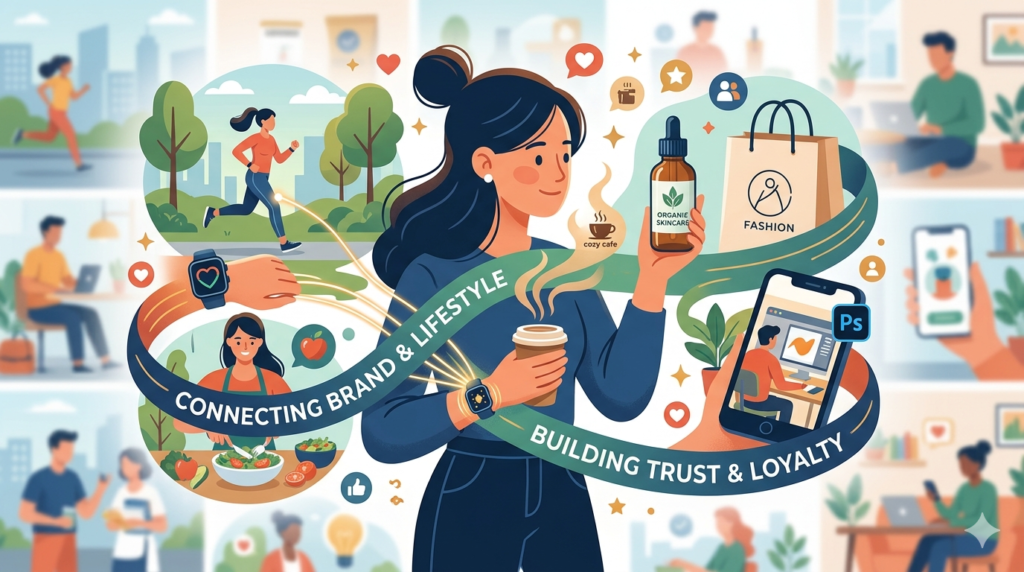
A strong brand is no longer just a logo, slogan, or product name. It is a feeling people carry into their daily choices. When someone buys a fitness watch, organic skincare, luxury coffee, or minimalist clothing, they are often buying more than the item. They are choosing a lifestyle that feels close to who they are, or who they want to become.
That is why brand and lifestyle now work together so closely. People want brands that understand their habits, values, routines, goals, and identity. A lifestyle brand does not simply sell products. It creates meaning, builds trust, and becomes part of everyday life.
What Does Brand and Lifestyle Mean?
Brand and Lifestyle means the connection between a company’s identity and the way people live. A brand tells people what it stands for. A lifestyle shows how those values appear in daily life, from fashion and food to fitness, travel, technology, home design, and personal care.
Think about Nike. It does not only sell shoes. It sells movement, ambition, discipline, and confidence. Apple does not only sell devices. It sells simplicity, creativity, status, and modern living. Starbucks does not only sell coffee. It sells comfort, routine, social connection, and a “third place” between home and work.
This is the heart of lifestyle branding. The product matters, of course. Yet the emotional meaning around the product often matters more. When a brand fits someone’s life, it becomes easier to remember, trust, and choose again.
Why Lifestyle Branding Matters Today
People have more choices than ever. They can compare products in seconds, read reviews, watch TikTok opinions, and switch to a competitor with one click. That makes traditional advertising weaker when it stands alone. A brand must feel useful, honest, and personally relevant.
McKinsey’s 2025 State of the Consumer report found that modern consumers are shaped by changing behavior, value expectations, trust, and how they spend their time. The research included more than 25,000 consumers across 18 markets, showing how global buyers now think more carefully about value and daily priorities.
This means Brand and Lifestyle is no longer just about appearance. It must do more than look attractive. It needs to solve real problems, fit real routines, and make customers feel understood instead of targeted.
The Difference Between a Regular Brand and a Lifestyle Brand
A regular brand usually focuses on what it sells. A Brand and Lifestyle focuses on what the customer wants to feel, achieve, or express. That small difference changes everything.
A regular clothing brand may say, “We sell jackets.” A lifestyle clothing brand says, “We help you feel confident, stylish, and ready for city life.” A regular skincare brand may say, “Our serum has vitamin C.” A Brand and Lifestyle approach says, “We help you start your day feeling fresh, glowing, and in control.”
The product is still important. Poor quality can destroy trust fast. But lifestyle branding adds a deeper layer. It connects the product with identity, emotion, and aspiration.
How Brand and Lifestyle Influence Customer Decisions
Customers often make buying decisions with both logic and emotion. They compare price, quality, reviews, and features. At the same time, they ask quiet personal questions. Does this brand feel like me? Does it match my values? Will it improve my routine? Will it make me look or feel better?
Edelman’s 2025 brand trust research says trust has become as important as quality and price in purchase decisions. The report also notes that consumers now wantBrand and Lifestyle to offer personal relevance, emotional support, optimism, and confidence.
That is a big shift. People are not only asking brands to “stand for something.” They are asking brands to help them live better in practical, personal ways.
Trust Is the Foundation of Lifestyle Branding
No Brand and Lifestyle can survive without trust. A brand may have beautiful visuals, strong social media, and clever messaging. Still, customers will walk away if the product disappoints or the brand feels fake.
Trust grows when a brand keeps its promises. If a wellness brand says it supports healthy living, its ingredients, packaging, content, and customer service should support that claim. If a fashion brand promotes sustainability, customers expect clear proof, not vague green language.
Edelman’s UK report on 2025 brand trust says 80% of people trust brands they use, which is higher than their trust in several major institutions. It also says people want brands to create calm, confidence, inspiration, and personal stability.
That makes trust a daily experience. Customers believe what they repeatedly see, feel, and receive from a brand.
The Role of Storytelling in Brand and Lifestyle
Storytelling turns a product into an experience. It gives people a reason to care. A plain water bottle becomes a story about hydration, outdoor living, discipline, or eco-friendly habits. A candle becomes a story about peaceful evenings, self-care, and a warmer home.
Good storytelling does not need to sound dramatic. In fact, simple stories often work better. A brand can show a morning routine, a family dinner, a gym session, a work-from-home setup, or a weekend trip. These small scenes help customers imagine the product in their own lives.
The best lifestyle stories feel natural. They do not scream, “Buy now!” They quietly show how the brand fits into moments customers already understand.
Visual Identity Shapes Lifestyle Perception
People often judge a brand before reading a single sentence. Colors, fonts, photos, packaging, website design, and social media layouts all shape perception. A luxury lifestyle brand may use soft colors, clean spacing, elegant typography, and calm visuals. A streetwear brand may use bold text, raw photography, and energetic design.
Visual identity should match the lifestyle promise. A brand that promotes calm living should not use chaotic design. A brand that sells bold adventure should not look dull or overly corporate.
Consistency matters here. When the same mood appears across the website, packaging, ads, emails, and social posts, customers begin to recognize the brand faster. Recognition builds memory. Memory supports trust.
Real-Life Examples of Lifestyle Branding
Nike is one of the clearest examples. Its products serve athletes, but its message reaches anyone who wants discipline and progress. “Just Do It” works because it speaks to effort, not just sport.
Apple built its lifestyle around creativity, clean design, and simple technology. Customers do not only buy an iPhone because it makes calls. They buy into an ecosystem that feels modern, smooth, and premium.
Patagonia connects outdoor clothing with environmental responsibility. Its lifestyle is not only about adventure. It is also about conscious choices, repair, durability, and respect for nature.
These brands work because their products, values, visuals, and customer experience move in the same direction. Nothing feels random.
How Small Businesses Can Build a Lifestyle Brand
A small business does not need a global budget to connect brand and lifestyle. It needs clarity. Start with the customer’s real life. What do they care about? What problems do they face? What kind of person are they trying to become?
A local coffee shop can build a lifestyle around slow mornings, community, remote work, and creative energy. A cleaning service can build a lifestyle around stress-free homes, family comfort, and professional trust. A skincare brand can build a lifestyle around confidence, self-care, and daily glow.
The key is to stop selling only the service. Sell the better life around the service, then prove it through quality and consistency.
Content Helps a Lifestyle Brand Feel Alive
Content is where lifestyle branding becomes visible. Blog posts, short videos, reels, email newsletters, product guides, customer stories, and behind-the-scenes posts all help people understand the brand’s world.
A fitness brand can share workout habits, meal ideas, recovery tips, and real customer progress. A home decor brand can show room makeovers, color ideas, seasonal styling, and small-space solutions. A fashion brand can share outfit ideas for work, travel, dinner, and weekend plans.
This kind of content does not feel like hard selling. It feels useful. That is why it builds stronger relationships over time.
Social Proof Makes Lifestyle Branding Stronger
People trust other people. Reviews, testimonials, user-generated content, influencer partnerships, and community stories all make a lifestyle brand more believable. A customer wearing the product at a real event can feel more persuasive than a polished studio ad.
Attentive’s 2025 consumer trends research found that 38% of shoppers said they were loyal to five or fewer brands, compared with 22% in its 2023 report. That shows loyalty is becoming harder to earn and more valuable when a brand wins it.
This is why brands should encourage real customers to share real experiences. Lifestyle branding becomes stronger when customers become part of the story.
Common Mistakes Brands Make
Many brands try to look like lifestyle brands without doing the deeper work. They copy trendy visuals, use popular phrases, and post aesthetic content. But the brand still feels empty because the message lacks truth.
Another mistake is trying to attract everyone. A strong lifestyle brand usually speaks clearly to a specific audience. It knows who it serves and who it does not serve. That focus makes the brand more memorable.
Some brands also overpromise. They claim to transform lives, create confidence, or support values they cannot prove. Customers notice quickly. In lifestyle branding, honesty is not optional. It is the whole game.
How to Measure Lifestyle Brand Success
Lifestyle branding should still produce measurable results. A brand can track repeat purchases, customer lifetime value, social engagement, direct website visits, email sign-ups, branded searches, review quality, and referral rates.
Emarsys’ 2025 Customer Loyalty Index surveyed more than 10,000 consumers across five countries and highlighted how loyalty is changing through trends, emotion, and fast-moving customer behavior.
This means brands should watch both numbers and emotions. Sales show what people bought. Reviews, comments, and repeat behavior show how people feel.
Future of Brand and Lifestyle
The future of brand and lifestyle will be more personal, more transparent, and more community-driven. Customers will expect brands to understand their routines without being invasive. They will want useful products, honest values, smooth digital experiences, and human communication.
Artificial intelligence, personalization, creator content, and social commerce will shape lifestyle branding even more. But technology alone will not build love. The brands that win will still be the ones that feel real, useful, and emotionally clear.
A lifestyle brand should make life feel easier, better, brighter, healthier, calmer, or more exciting. That is what customers remember.
Conclusion
Brand and lifestyle are deeply connected because modern customers do not only buy products. They buy meaning, identity, habits, confidence, and better daily experiences. A strong lifestyle brand understands this and builds every touchpoint around the customer’s real life.
The best brands do not shout for attention. They earn it by being useful, consistent, honest, and emotionally relevant. Whether you run a fashion label, skincare line, tech company, cleaning service, café, or personal brand, your goal is simple. Show people how your brand fits into the life they already live, or the life they want to create.
Start with trust. Build with story. Stay consistent. That is how a brand becomes more than a name and turns into a lifestyle people choose again and again.
FAQs
What is a lifestyle brand?
A lifestyle brand is a brand that connects its products or services with a specific way of living. It sells more than function. It creates emotion, identity, and belonging around the customer’s daily habits, values, and goals.
Why is lifestyle important in branding?
Lifestyle is important because customers want brands that feel personally relevant. When a brand fits someone’s routine, values, and self-image, it becomes easier to trust and remember. This can lead to stronger loyalty and repeat purchases.
What is the relationship between brand and lifestyle?
The relationship between brand and lifestyle is based on meaning. A brand creates the identity, message, and promise. Lifestyle shows how that promise appears in real life through products, content, design, customer experience, and community.
How do you create a lifestyle brand?
You create a lifestyle brand by understanding your audience deeply, defining a clear emotional promise, building consistent visuals, sharing useful content, and delivering a product experience that matches your message. The brand must feel real, not forced.
What are examples of lifestyle brands?
Nike, Apple, Starbucks, Patagonia, Lululemon, and IKEA are common lifestyle brand examples. Each brand connects products with a bigger idea, such as performance, creativity, comfort, sustainability, wellness, or better home living.
Can a small business become a lifestyle brand?
Yes, a small business can become a lifestyle brand by focusing on a clear audience and a specific daily need. A local business can build lifestyle appeal through strong storytelling, consistent visuals, helpful content, quality service, and real customer trust.
Is lifestyle branding only for fashion brands?
No, lifestyle branding works in many industries. It can apply to food, fitness, beauty, technology, travel, home services, education, wellness, cleaning, real estate, and personal brands. Any business can use lifestyle branding if it connects with how people live.