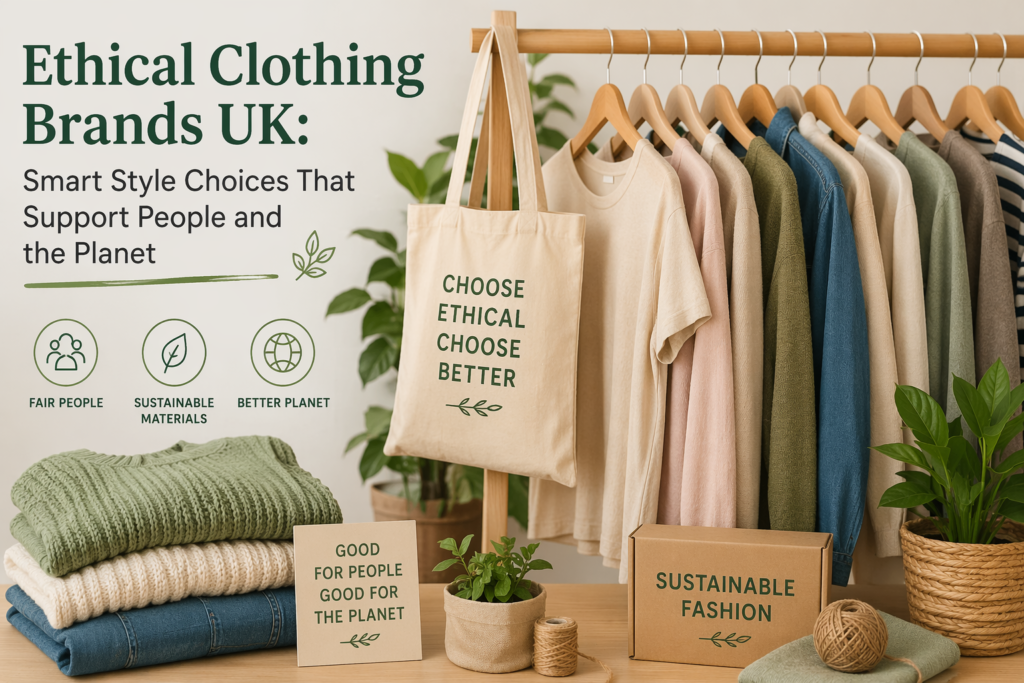

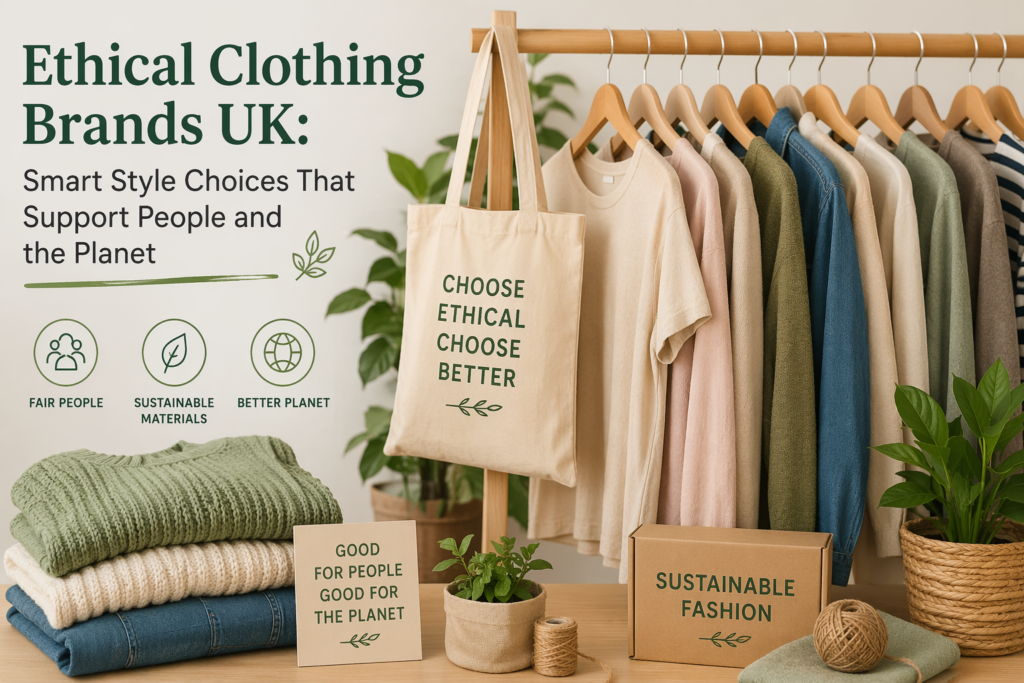
Discover 12 ethical clothing brands using fair labour, responsible fabrics and transparent practices, plus tips for building a better wardrobe.
Introduction
Clothing should look good, feel comfortable and last. It should not depend on hidden labour abuse, unsafe factories or wasteful production. This concern is encouraging more shoppers to choose ethical clothing brands that treat workers fairly and reduce harm to the environment. The best ethical clothing brands also focus on durable materials, safer working conditions and responsible manufacturing.
The challenge is knowing which claims deserve trust. Words such as “green,” “conscious” and “eco-friendly” are easy to place on a label, but genuine ethical clothing brands provide stronger proof. They share details about transparent supply chains, recognised certifications, responsible fabrics, fair labour policies, repair services and clear progress reports. This guide explains how to identify trustworthy ethical clothing brands and introduces 12 companies taking meaningful steps towards better fashion.
What Makes a Clothing Brand Ethical?
An ethical clothing brand considers the people involved at every stage of production. This includes farmers, dye-house workers, cutters, machinists, packers and warehouse staff. Responsible brands should support safe workplaces, reasonable hours, worker rights, fairer pay and systems that allow workers to raise concerns.
Environmental responsibility is also part of ethical fashion. The textile sector creates between 2% and 8% of global greenhouse gas emissions, while only a small share of textile fibres comes from recycled sources. The wider problem includes chemical use, water consumption, microplastic pollution and clothing sent to landfill.
No brand has zero impact. Making any new garment uses materials, energy and transport. A credible company admits this and explains what it is doing to improve. Look for detailed information about factories, fibres, wages, emissions, waste, repairs and end-of-life plans rather than broad promises.
Why Ethical Fashion Matters
Garments may be worn only a few times before they lose shape, fall out of style or get discarded. This creates a cycle in which brands produce more, shoppers buy more and waste keeps growing. In contrast, ethical clothing brands focus on better materials, fairer production and clothing designed to last longer.
The European Commission reports that about five million tonnes of clothing are discarded in the European Union each year, equal to around 12 kilograms per person. It also states that only about 1% of material used in clothing is recycled into new clothing. These figures show why durability, reuse, repair and fibre-to-fibre recycling matter when comparing ethical clothing brands with fast-fashion companies.
Ethical shopping does not mean replacing your whole wardrobe with expensive sustainable pieces. The most useful approach is slower. Wear what you own, repair damaged items, buy second-hand when possible and choose better-made new clothing only when you need it.
12 Ethical Clothing Brands Worth Knowing
1. Patagonia
Patagonia is one of the best-known ethical clothing brands in the outdoor fashion industry. The company focuses on durable products, repairability, environmental activism and transparent public reporting. Its ownership structure changed in 2022 so the Patagonia Purpose Trust could protect its mission, while the Holdfast Collective receives funds to support environmental work.
Patagonia’s 2025 impact report states that the company repaired 174,799 products worldwide during the financial year. This figure shows how product life extension can become a core part of a large clothing business rather than a small side project. Among leading ethical clothing brands, Patagonia remains a strong choice for jackets, fleeces, workwear and reliable outdoor gear.
2. Pact
Pact focuses on soft wardrobe basics made with certified organic cotton. Its range includes underwear, T-shirts, leggings, sleepwear and simple everyday clothing. The company says it uses GOTS-certified organic cotton and works with Fair Trade Certified factories.
This combination matters because material claims alone do not cover the whole garment. GOTS sets requirements for organic textile processing, while Fair Trade programmes address social and economic conditions. Pact suits shoppers who want easy-to-wear basics with clear certification information.
3. Kotn
Kotn is known for timeless basics made with cotton sourced through relationships in Egypt and Portugal. The company works across several stages of its supply chain, from farms to mills and dye houses. It describes its approach as direct trade and says purchases support education and community development in cotton-growing regions.
Kotn is also a certified B Corporation. Its emphasis on long-staple Egyptian cotton is linked to durability because longer fibres can produce smoother yarns that resist breakage and pilling. The brand is best for knitwear, shirts, trousers and simple everyday pieces.
4. Tentree
Tentree combines casual clothing with tree-planting projects. The company states that it plants ten trees for every item sold and has planted more than 110 million trees. Its material range includes organic cotton, hemp, recycled polyester and TENCEL lyocell.
Tree planting should not replace reducing a product’s direct impact. Tentree strengthens its case by discussing traceability, responsible manufacturing, durability and material choices. It is a practical choice for hoodies, T-shirts, joggers and outdoor-inspired basics.
5. Nudie Jeans
Nudie Jeans has built its identity around organic cotton denim, transparency and repair. The company began repairing jeans in 2007 and now operates repair shops where customers can have eligible Nudie jeans fixed. Products may also be resold or sent through the brand’s recycling system.
The company says it uses certified organic cotton for its jeans. Its repair model is especially useful because denim often develops damage long before the fabric becomes unusable. Nudie Jeans is worth considering if you want denim that can be worn, repaired and kept for years.
6. Armedangels
Armedangels is a European fashion brand focused on organic, recycled and lower-impact materials, transparent supply chains and fairer working conditions. It publishes impact reports and provides information about certifications and production partners.
Its public information refers to standards such as GOTS, the Global Recycled Standard and Fair Wear-related commitments. The brand also discusses wage gaps and social-impact work rather than treating certification as the final step. It offers jeans, knitwear, dresses and smart-casual clothing.
7. Girlfriend Collective
Girlfriend Collective specialises in activewear made with recycled materials. The company says its main performance fabrics use post-consumer plastic waste and are certified to OEKO-TEX Standard 100. It also states that garments are made in certified factories using responsible dyeing and water-recycling practices.
The brand runs a resale marketplace and a reuse and recycling programme. These services matter because stretch activewear can be difficult to recycle through normal systems. Girlfriend Collective is a good match for leggings, sports bras, shorts and inclusive activewear.
8. Organic Basics
Organic Basics produces underwear, T-shirts, loungewear and active basics. The brand gives product-level information about materials, manufacturing facilities and estimated environmental impact. Some product pages identify certifications held by factories, including GOTS, the Global Recycled Standard and ISO 14001.
Product-level disclosure is useful because a brand may use several suppliers and fabric blends. Instead of assuming every item has the same credentials, shoppers can review the specific garment, factory and fibre information before ordering.
9. Reformation
Reformation is known for dresses, denim, occasionwear and feminine everyday clothing. The company publishes sustainability reports and provides environmental information about its business and products. Its website currently highlights a 2025 sustainability report, giving shoppers a way to review progress rather than rely only on campaign language.
Reformation is useful for shoppers seeking lower-impact options for weddings, parties or smarter outfits. Choose a versatile piece that can be restyled for several events, and check fibre content, construction and care requirements before buying.
10. Eileen Fisher
Eileen Fisher focuses on timeless shapes, natural fibres and circular design. Its Renew programme takes back used Eileen Fisher garments and sorts them for resale, donation, remaking or other next steps. The programme challenges the traditional take-make-waste retail model.
A take-back system works best when products are durable enough to have a second owner. Eileen Fisher’s simple cuts and neutral colours support this goal. The brand is particularly suitable for workwear, knitwear, loose trousers and layered capsule wardrobes.
11. Finisterre
Finisterre is a British outdoor and lifestyle brand with a strong focus on durability, repair and practical materials. It offers repair services for jackets, knitwear, trousers, bags and other garments. The company also uses organic, recycled and natural materials across its range.
Its Reskinned partnership accepts used items and sorts them for repair, reuse or recycling. Finisterre is a useful choice for knitwear, waterproof jackets and cold-weather layers. Its repair menu shows how maintenance can become a normal service rather than an afterthought.
12. Outerknown
Outerknown produces relaxed clothing, denim, shirts and beach-inspired essentials. The company aligns its labour programme with the Fair Labor Association and supports Fair Trade Certified factories for selected products. It also publishes a fair compensation commitment and a plan aimed at greater circularity.
Outerknown states that its Fair Labor Association compliance programme was accredited and that its supply-chain work includes responsible sourcing and worker well-being. These details provide more evidence than a vague “ethically made” label.
How to Spot Genuine Ethical Clothing Brands
A trustworthy company makes detailed information easy to find. The most reliable ethical clothing brands name important suppliers, explain where products are made and describe the standards used to check working conditions. They should also discuss challenges, targets and missed goals. Sustainability pages with no figures, dates or factory details deserve caution when comparing ethical clothing brands.
Recognised certifications provide useful independent checks. GOTS covers organic textile processing and includes environmental and social requirements across certified supply chains. Fairtrade standards support fairer trading relationships, decent working conditions and producer development. Although certification does not make every product perfect, it provides stronger evidence that ethical clothing brands are following recognised standards instead of making unsupported claims.
Pay attention to the exact wording used by ethical clothing brands. “Made with organic cotton” may mean that only part of the garment contains organic material. “Designed in London” does not reveal where the product was sewn, while “recycled packaging” says nothing about worker wages or fabric quality. Before buying from ethical clothing brands, read the full product description and look for material percentages, certification names, factory locations and supplier information.
How to Build an Ethical Wardrobe Without Overspending
Start with a wardrobe check. Identify what you wear often, what needs repair and what no longer fits your life. This prevents duplicate purchases and helps you see genuine gaps.
Use cost per wear when comparing prices. A £100 jacket worn 100 times costs £1 per wear. A £30 jacket worn three times costs £10 per wear. Price does not always prove quality, but planned purchases usually create better value than impulse buys.
Second-hand shopping, clothing swaps and rental services can also reduce demand for new production. When buying new, choose versatile colours, comfortable fits and fabrics you can care for at home. Wash at lower temperatures when suitable, air-dry clothing and repair loose seams early.
Common Ethical Fashion Mistakes
One mistake is throwing away usable clothing to create a “sustainable” wardrobe. Keeping an existing fast-fashion item in use is usually better than replacing it only because its label is not ethical.
Another mistake is judging a brand by one positive feature. Organic cotton does not automatically prove fair wages. Recycled polyester does not solve overproduction. Carbon offsets do not remove the need to cut emissions. Ethical clothing should be assessed through materials, labour, production volume, durability and end-of-life planning.
It is also easy to overbuy from better brands. A large ethical-fashion order is still a large order. The goal is not to consume the same way under a greener label. The goal is to buy fewer items, choose carefully and use them for longer.
Conclusion
Ethical clothing brands give shoppers a better alternative to disposable fashion, but the label alone is not enough. The strongest companies show where their clothes come from, use recognised standards, improve worker protections, select responsible materials and help products stay in use through repair, resale or take-back programmes.
Start with one practical change. Repair an item you already love, buy your next garment second-hand or choose one well-researched piece from a transparent brand. Build your wardrobe slowly, track what you actually wear and support companies that publish evidence instead of empty promises. Every thoughtful purchase can help move fashion towards a fairer and less wasteful future.
Frequently Asked Questions
What Are Ethical Clothing Brands?
Ethical clothing brands aim to protect workers, improve supply-chain conditions and reduce environmental harm. They often use transparent sourcing, responsible materials, independent certifications and longer-lasting product design.
Which Clothing Brand Is the Most Ethical?
There is no single perfect brand because every company has an impact and different strengths. Patagonia is strong in repair and environmental action, while Pact focuses on organic cotton and Fair Trade factories.
How Can I Tell Whether a Fashion Brand Is Ethical?
Check whether the company names its factories, publishes current impact reports and explains wages, materials and certifications. Avoid vague terms such as “green collection” without figures or independent evidence.
Are Ethical Clothing Brands Expensive?
Some cost more because responsible materials, skilled labour and stronger standards can increase production costs. You can spend less by buying fewer pieces, shopping resale and calculating cost per wear.
Is Sustainable Fashion the Same as Ethical Fashion?
The terms overlap but are not identical. Sustainable fashion often focuses on environmental impact, while ethical fashion gives strong attention to labour rights, wages, safety and fair treatment.
Is Buying Second-Hand Better Than Buying Ethical Clothing?
Second-hand clothing usually avoids the impact of producing a new garment, making it a strong first choice. New ethical clothing is useful when you cannot find the right item used.
What Fabrics Should I Look for in Ethical Clothing?
Look for certified organic cotton, linen, hemp, responsibly sourced wool and recycled fibres suited to the garment. Also check dyeing, factory conditions, durability and end-of-life options.
Does GOTS Certification Mean Clothing Is Ethical?
GOTS provides independent requirements for organic fibres, processing, chemicals and social criteria within the certified supply chain. It is strong evidence, but shoppers should still examine the full product and brand practices.